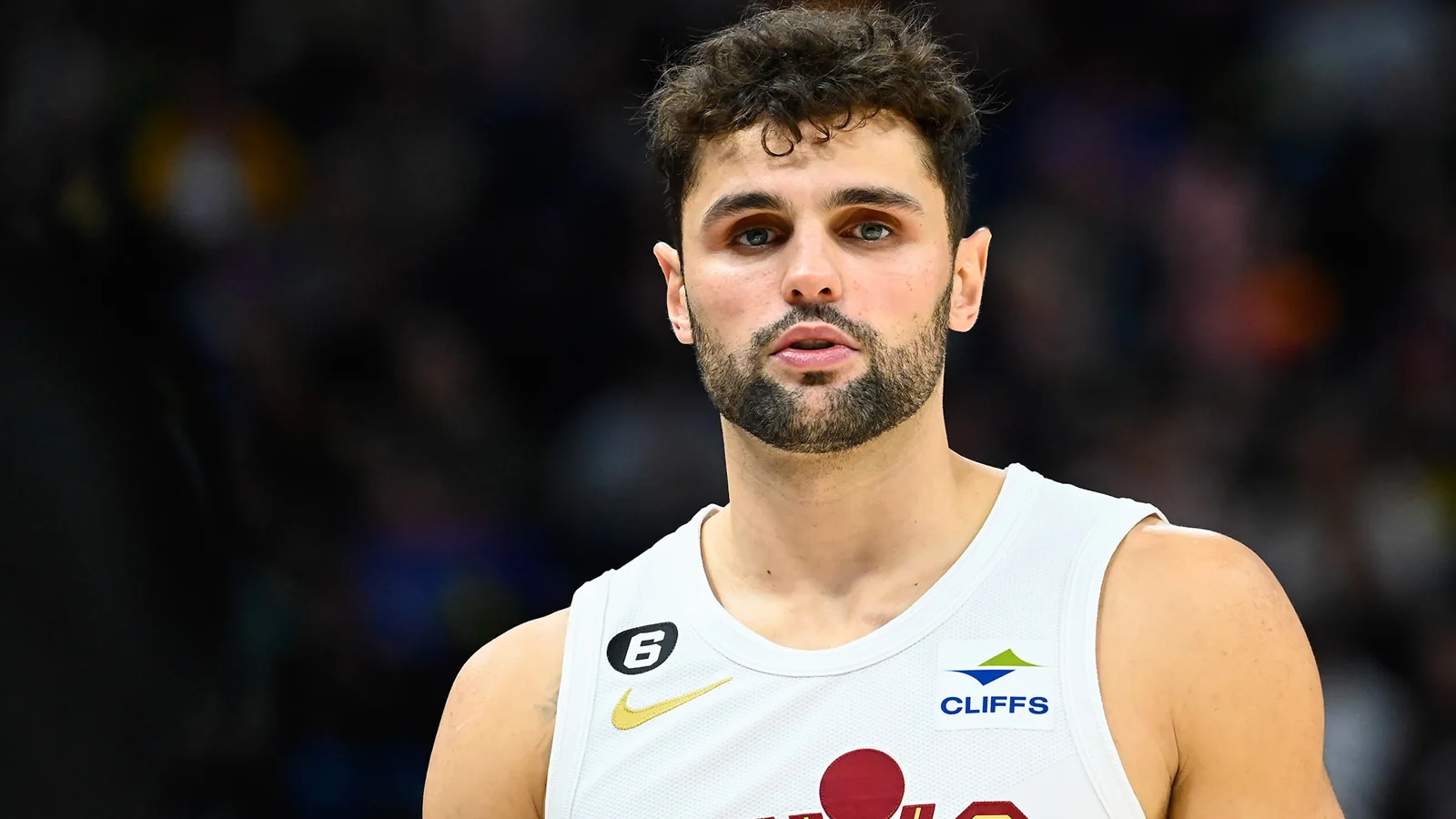
Why Neto has become a decision rather than a stopgap
Brisbane's Raul Neto question has moved beyond whether a new arrival can help for a few weeks. It now concerns what a useful point guard is worth to a team trying to build continuity, and how that value fits the arrangement that brought him to Australia. A player can be an excellent basketball addition while the circumstances of his registration still require another decision. Keeping those ideas separate makes the discussion much clearer.
The starting point is the Bullets' announcement on 13 October: Neto joined as an injury replacement for Arnas Velička. His NBA experience is substantial, comprising 435 regular-season appearances and 29 playoff games. That explains the attention around the signing. It does not, by itself, establish how long Brisbane can use him or what happens when the injured guard is available again.
On 29 October, the NBL relayed ESPN reporter Olgun Uluc's account that two clubs had asked about Neto's future. That is meaningful reporting about interest. It is not confirmation that either club has made a formal offer, that Brisbane has released him, or that Neto has chosen another destination. The difference matters because those later steps would change the story from a developing possibility to a roster transaction.
The job he was signed to do
There is a useful basketball distinction between replacing a player's place in the team and reproducing every part of his game. Brisbane needed a functioning organiser while Velička was absent. That task involves getting the team into its offence, recognising where the first advantage is available and giving teammates passes they can use without resetting their feet or their timing. It need not mean copying the injured player possession for possession.
The signing announcement also placed Neto's move in the context of preparing to represent Brazil. That gives supporters a reason to consider the player's priorities alongside the club's. A short arrangement can make sense for both sides at the time it is agreed. Later success may invite a longer conversation, but it does not tell us that conversation has happened or that the original priorities have disappeared.
For fans, the sensible starting judgement is therefore specific: has Neto made Brisbane's possessions easier to organise? Watch how quickly the first action begins, whether the ball reaches the intended scorer on time, and whether a disrupted set still produces a sensible second option. Those observations tell us more about his usefulness than treating his career total as a prediction of his next game. They also give the eventual roster debate a basketball foundation instead of allowing speculation about a destination to become the whole argument.
What injury replacement status actually tells us
The most defensible answer to 'can Brisbane keep him?' is that the published signing establishes why Neto arrived, while a later decision about his status needs its own confirmation. The available announcements do not establish a completed arrangement for him to remain once Velička returns. They also do not justify announcing a departure before the club or league has confirmed one. That leaves a live decision, rather than a result supporters can safely read into a headline.
Three different things are often compressed into the word 'roster'. A player has an employment arrangement; the competition determines whether he is eligible to participate; and the coach decides how to use eligible players. A positive answer to one question does not settle the other two. A team may value someone's contribution without having announced a new agreement, and a player appearing in an online squad list does not tell us every condition attached to his participation.
The league's roster tracker also uses category labels, including nominated replacement players. Those labels are useful signposts, but they are not substitutes for the applicable terms. Neto's original announcement described an injury replacement; the later report used nominated replacement language. Neither piece publishes all the conditions that would settle every hypothetical about his future. Treating those terms as a ready-made permission to retain two players would go beyond the evidence.
A return date is not a roster transaction
The timing requires the same care. Late-November or early-December expectations describe a recovery window, not a guaranteed appearance. 'Expected back' can refer to a projected stage in rehabilitation, while actual availability still depends on the player's progress and a subsequent announcement. The relevant question for supporters is what the latest club update says he can do, rather than how many days remain on an estimate published weeks earlier.
That matters for the basketball discussion as well. Preparing for a returning organiser may change practice priorities before it changes a match lineup. Conversely, an approaching date on the calendar cannot prove that a player is ready for his normal workload. Fans should resist making either player's future contingent on an assumed clearance that has not been announced.
Interest from another club is not a transfer
Enquiries belong at the beginning of the information chain. An offer, an agreement, a release where one is required, and confirmation of eligibility are separate developments. This article is not asserting which of those steps a particular contract requires; the point is that reported curiosity cannot stand in for the completed outcome. Without identified destinations or a confirmed deal, ranking potential landing spots would mostly create the appearance of precision.
The practical benefit of making these distinctions is simple: fans can enjoy Neto's performances without deciding that every good pass makes his departure inevitable. They can also ask Brisbane what its planning looks like without pretending the public already has the private answer. The next important piece of information will be a concrete update, not another confident interpretation of the same short announcement.
How Brisbane should judge the basketball fit
The strongest case for Neto is not that Brisbane should collect as many recognisable names as possible. It is that a point guard can improve the conditions in which everyone else works. Mark Worthington's assessment for NBL Now made an important distinction: Neto brings high-level experience, but he is not an identical version of Velička. The useful comparison concerns what the offence needs, rather than whether two players share a position label.
Start with the timing of the first pass. If a guard gets the ball to a teammate before the defence is set, that teammate may attack a smaller advantage with less risk. If the pass arrives late, the same nominal play can require an extra dribble and a more difficult finish. An assist total captures some successful outcomes; it does not capture every possession made simpler by an earlier decision. This is a viewing framework, not a claim that we have measured Brisbane's passing speed.
The 96-89 win at Adelaide on 1 November adds a useful current example. Neto finished with 14 points, four assists and four rebounds. Tyrell Harrison supplied 24 points and 10 rebounds, while Nate Hinton contributed across scoring, rebounding, passing and defence. The result should strengthen interest in how Neto fits, but the distribution of contributions also warns against presenting one guard as the sole cause of a team performance.
Harrison fouling out with under six minutes remaining made the closing stretch particularly informative. A team's normal interior option disappearing changes the decisions around the ball. The question becomes whether the remaining group can still reach a useful shot, protect possession and defend the other end. Brisbane completing the win is encouraging. A detailed evaluation would still examine the possessions themselves before claiming that a particular late-game scheme has been proven.
Next, judge the cost of creating an advantage. A pass that attempts a difficult opening is not automatically a poor decision when it fails, and a safe pass is not automatically valuable when it leaves the receiver trapped. Watch the relationship between pressure, spacing and the available outlet. This is why a replacement guard's development over several games can matter more than the isolated highlight that first catches attention.
Finally, evaluate the group when the ball leaves Neto's hands. Can another player initiate while he relocates? Does the offence retain a clear route to the paint? Can the team defend the lineup it needs to put around him? These are the questions that connect individual quality to roster construction. The lineups page can help supporters follow who is available; the more revealing basketball test is what those combinations can consistently do together against different opponents.
The choices fans should separate when Velicka returns
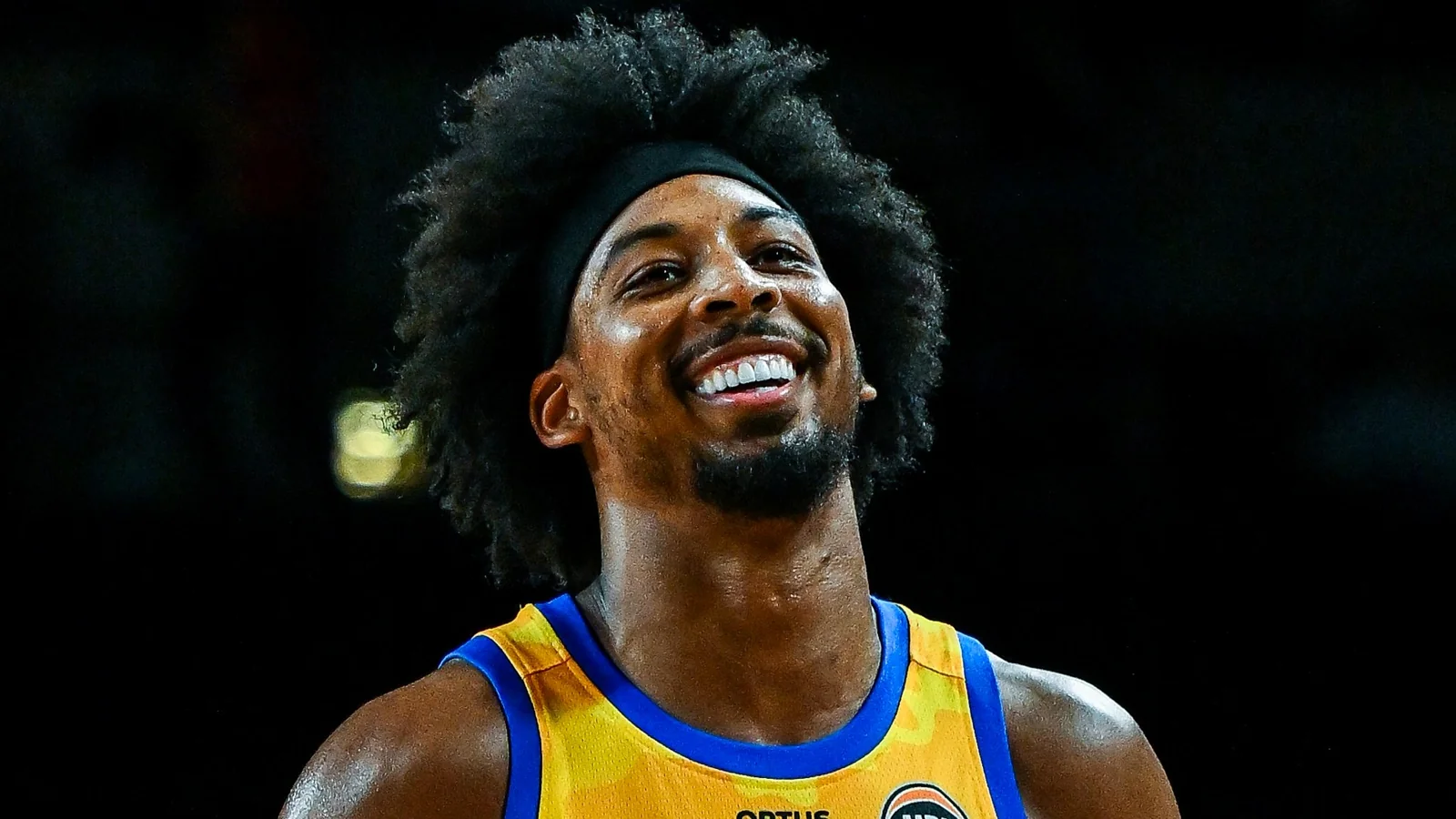
There are several different arguments hidden inside the demand to keep a successful replacement. One is emotional: supporters have enjoyed watching him and want that to continue. Another is tactical: the team may have discovered a combination that solves a particular problem. A third concerns the practical route to a new arrangement. A good decision needs those arguments to meet, but it helps to examine them separately first.
Consider the basketball case for a two-organiser lineup as a hypothetical. Having another player capable of bringing the ball up and starting an action can reduce dependence on one initiator. It might also give a coach an alternative when an opponent pressures the first receiver. Yet the benefit depends on how the two guards work away from the ball, which other players complete the group and whether the defence can hold up. The phrase 'two point guards' describes the personnel, not the quality of the fit.
That hypothetical does not establish that Brisbane can register the lineup under an existing arrangement. Nor does it establish that the player wants the role, that the club has offered it, or that an alternative change is justified. Those are precisely the details a confirmed announcement would need to clarify. Supporters can discuss the basketball possibilities now while leaving the transaction itself open.
Short-term cover and longer-term planning
Short-term cover is judged against the problem immediately in front of a team. Can it get through an injury absence with organised possessions and enough flexibility to compete? Longer-term planning asks what the team should look like when more of its intended pieces are available. A player can have answered the first question well without automatically being the preferred answer to every later question. Equally, a temporary role can reveal a useful quality that deserves a new conversation.
The opportunity cost is broader than money. Adding ball handling can change the minutes available to other guards, the size of a closing group and the number of possessions on which a scorer receives the ball. Retaining continuity can be valuable; so can restoring a clear hierarchy around a returning player. Neither principle should become a slogan that prevents a coach from examining the actual combinations. These are trade-offs to evaluate, not claims about decisions Weaver has already made.
Jason Cadee's comments in the 29 October report pointed to the attraction of an organiser for teams that already have scorers. That is a useful way to frame demand for Neto's skills, provided it remains an analyst's assessment. It cannot tell us what Neto will accept or which unnamed team has the right role.
The fairest discussion therefore avoids asking either guard to win a popularity contest. Velička's recovery is a medical and availability issue; Neto's performances are basketball evidence; a future agreement is a separate decision. Brisbane's job is to connect those realities. Fans should judge the eventual explanation against the team's needs and the arrangement actually announced, rather than assuming that one encouraging spell has removed every other consideration.
What to watch before calling the decision
The first useful signal is a clear availability update for Velička. The league's rolling NBL27 injury guide has listed a Round 11-12 return window. That is a planning reference, not a promise. A later announcement that he has returned to training, been named for a game or received clearance would add different information. Supporters should read the actual wording rather than allowing an approximate round number to become a fixed departure date for Neto.
The second signal is a statement about Neto himself. A confirmed extension, a change in status or a move to another club would answer questions that reporting about enquiries cannot. Until one appears, the honest position is that his longer-term destination remains unresolved. Being precise about that uncertainty does not diminish the quality of the reporting or the appeal of the player. It simply stops the story moving further than the available facts.
The third signal comes on court, and it is more demanding than a win-loss label. Watch whether Brisbane can get into its offence against different kinds of ball pressure, whether possessions remain organised when the first option is denied, and whether the defence can support the combinations being used. A good run against one opponent deserves attention; repeating the underlying decisions against another provides a better reason to trust them.
There is also value in watching the minutes that do not produce a highlight. A guard recognising that a big needs another moment to establish position may improve a possession without earning an assist. A quick reversal can move the defence even when the next pass produces the shot. Conversely, a spectacular finish can conceal several possessions in which the team struggled to create an advantage. Judging those quieter details will make the eventual decision easier to understand.
For anyone following the immediate schedule, use the NBL fixtures and injury updates together. The match list tells you when another test arrives; availability tells you which version of Brisbane is actually facing it. That combination is more informative than comparing results without accounting for who could play. It also keeps the conversation focused on the team rather than on a hypothetical deadline.
Neto has given Brisbane a worthwhile basketball question. The club should examine whether the qualities he brings remain valuable as its intended personnel return, then explain the arrangement it can actually make. Fans should demand a reasoned answer when that point arrives. As of 1 November, however, the public evidence supports his contribution and the existence of reported interest elsewhere; it does not establish that he must leave, that he will stay, or that a transfer is complete. The next game can strengthen the basketball case. Only a concrete roster update can settle the transaction.
Join the conversation
Share a question or a thought about NBL basketball. Comments are reviewed before they appear. Keep it friendly and on topic.
No comments yet. Start the conversation.
Sign in with Google to leave a comment. Your email address is not displayed.